

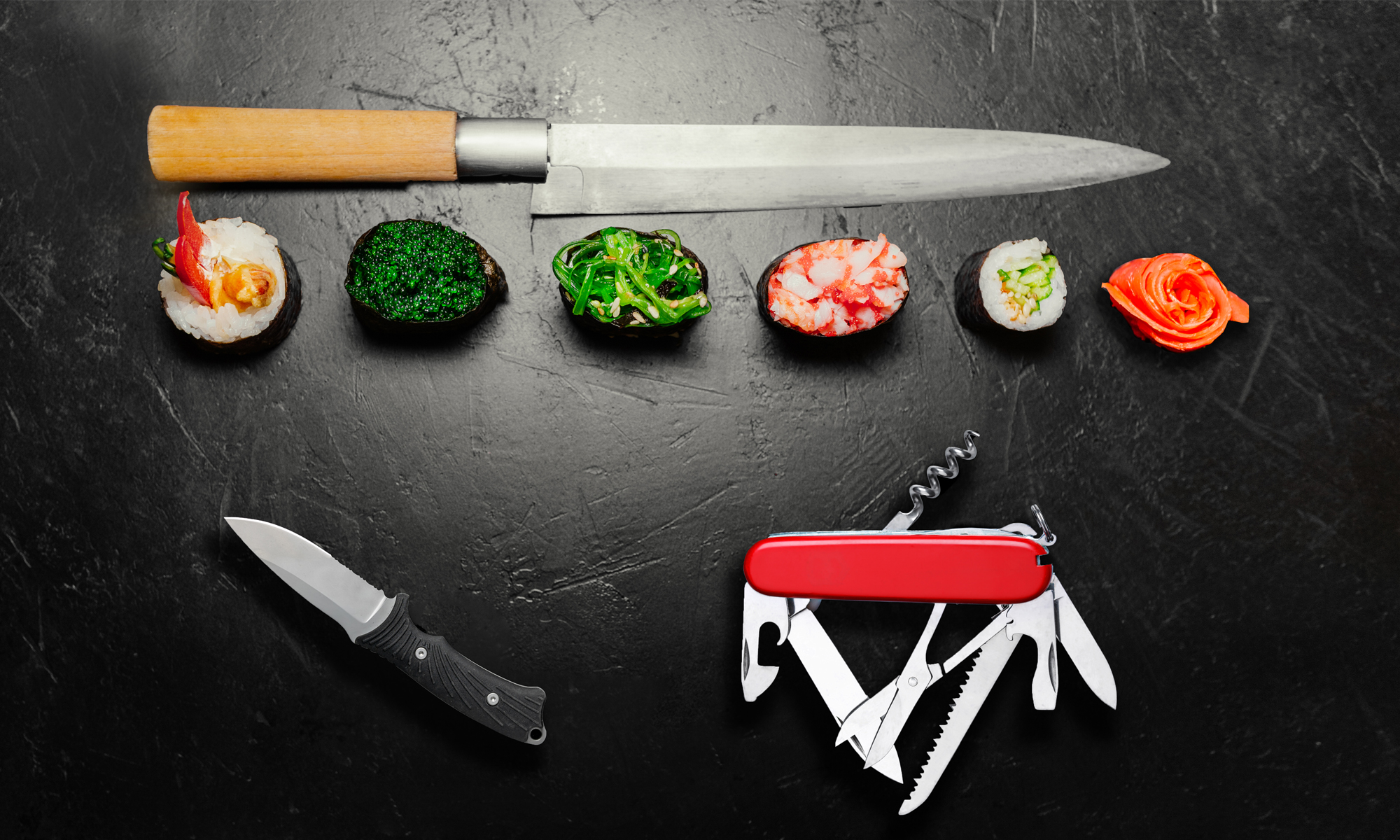
The 6 Types of Designer… and the Swiss Army Knife
After more than 30 years working in design, I’ve seen the industry transform dramatically. From drawing boards and paste-up artwork to the rise of the internet, social media, AI, and digital-first experiences, the role of the designer has evolved beyond recognition.
Today’s creative industry has become increasingly specialised, with designers often focusing on a particular discipline. Yet, despite this shift, many employers continue to advertise for one person who can seemingly do everything.
Here’s how I see the modern design landscape.
1. Brand (Visual Identity) Designer
Brand designers create the visual personality of a business. Their work extends far beyond designing a logo—they develop complete identity systems including colour palettes, typography, imagery, iconography and brand guidelines that ensure consistency across every customer touchpoint.
2. Marketing & Advertising Designer
These designers create visual communications with one clear objective: engagement and conversion. Whether it’s campaign artwork, social media assets, email marketing, display advertising or promotional literature, their work is designed to capture attention and deliver measurable results.
3. UI & UX Designer
User Interface (UI) and User Experience (UX) designers shape how people interact with digital products.
UX designers focus on research, user journeys and information architecture, ensuring websites and applications are intuitive and easy to use. UI designers bring those experiences to life through carefully crafted layouts, interfaces, typography, colour and interaction design.
4. Packaging Designer
Packaging designers combine creativity with commercial thinking. They design everything from product labels to structural packaging, balancing branding, shelf appeal, manufacturing requirements and consumer experience to create packaging that both protects and sells.
5. Publication (Editorial) Designer
Editorial designers specialise in organising complex information into engaging, readable layouts. Their expertise spans magazines, books, brochures, annual reports and catalogues, where typography, hierarchy and visual storytelling are just as important as the content itself.
6. Motion Graphics Designer
Motion designers transform static visuals into engaging animated content. From animated typography and social media content to promotional videos, digital advertising and title sequences, motion graphics have become an increasingly important part of modern brand communication.
Then in addition there is:
The Swiss Army Knife Designer
Then there’s the designer who has spent years working across multiple disciplines.
They’re comfortable switching between branding, digital, print, packaging, marketing, web design, photography, video, illustration or motion graphics depending on what’s required. Like a Swiss Army knife, they have a broad range of skills rather than a single specialist focus.
In reality, very few designers master every discipline. Most have one or two areas that aren’t their strongest. Yet if you browse today’s job boards, many employers seem to be searching for someone who can do it all—branding, UX, web development, animation, video editing, photography, social media, copywriting and AI—often within a single role.
The mythical “unicorn designer” has become the industry’s most sought-after job description.
The Designer at Heart
Finally, there’s one more character that every designer will recognise.
This is the person who believes design is simply about making things “look nice”. They may have little understanding of typography, layout, colour theory, accessibility or user experience, but they’re happy to direct the creative process by eliminating options they don’t like until they arrive at one they do.
It’s a familiar scenario in many organisations, and while everyone is entitled to an opinion, great design is rarely the result of personal preference alone. It’s about solving problems, communicating clearly and achieving objectives—not simply choosing the prettiest option.
Final Thoughts
Design has never been more diverse or more specialised than it is today. Whether you’re a branding expert, UX specialist, motion designer or editorial creative, each discipline requires years of experience and continual learning.
As someone who’s worked across client-side, agency and freelance environments for over three decades, I have enormous respect for specialists. But I also appreciate the value of being adaptable. Sometimes, the designer who can connect multiple disciplines is just as valuable as the one who excels in only one.
Perhaps the real challenge isn’t finding a Swiss Army knife designer—it’s recognising when a project needs a specialist, and when it needs someone who can see the bigger picture.
Related Posts

 Welcome to my portfolio website.